Is Yadom from Thailand Dangerous? What's Really Going On
Searches for “Yadom Thailand dangerous” usually rise when recall headlines circulate. This article sets it out factually: what actually happened in 2025, which risks are real, and how to reduce them when buying. This is not medical advice.
What this is about
Yadom – the small smelling sticks – are part of everyday life in Thailand and used by millions. They are not dangerous across the board. But there are concrete points worth knowing: the product quality of individual batches, the ingredients, and your own sensitivity.
The 2025 Hong Thai recall
In October 2025, Thailand's Food and Drug Administration (Thai FDA) ordered the recall of a batch of the “Hong Thai Herbal Inhaler (Formula 2)”. Lab samples had found microbial contamination – including bacteria (among them Clostridium) and elevated microbial, yeast and mould counts.
The product was classed as a substandard herbal product under Thailand's Herbal Product Control Act (2019). The authority suspended manufacturing, and remaining stock of the affected batch was destroyed under supervision. Authorities in the United Arab Emirates also ordered a recall of affected batches.
Important context: this concerned a specific batch of one product line – not “all Yadom”. But the case clearly shows why origin, freshness and a traceable batch matter when buying.
Which risks are real
Quality and hygiene: with unclear imported goods lacking a reliable declaration or storage, product quality is hard to judge – the 2025 recall is an example.
Ingredients and sensitivity: menthol, camphor and essential oils can irritate sensitive mucous membranes. Products with camphor are not for infants and toddlers. Details are in our article on Yadom side effects.
Use: a smelling stick is meant for the moment, not for continuous use. With lasting symptoms, the cause should be checked medically.
How to reduce the risk when buying
Look for a complete, legible ingredient list and a traceable batch or expiry date.
Buy from a reputable source with a legal notice (Impressum) and an EU contact rather than from anonymous sellers. Check that the packaging is intact and the goods are fresh.
With direct imports from overseas, consider the long storage and shipping time – and when in doubt, prefer a product with short routes and clear origin.
Sniffler: a factual note
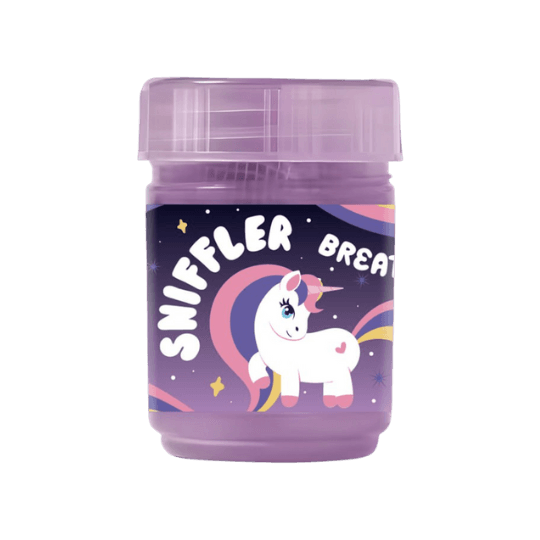
Sniffler is not Hong Thai and not a Thai brand – it is its own recipe, sold only as Sniffler. Sniffler is not affected by the Hong Thai recall.
Objectively, Sniffler differs in three points relevant here: the composition is openly shown on every product page, it contains no camphor, and shipping is from the EU – short routes rather than weeks of overseas storage. Sniffler is not a medicinal product; the usual precautions for menthol and essential oils still apply.
Common questions
Is Yadom dangerous in general? No, not across the board. In 2025, however, a batch of a well-known product was recalled over microbial contamination – a reason to pay attention to quality and origin.
What happened in the 2025 Hong Thai recall? The Thai FDA recalled a batch of the Hong Thai Herbal Inhaler (Formula 2) over bacterial and mould/yeast contamination, suspended manufacturing and had remaining stock destroyed.
How do I recognise safe goods? By a complete declaration, intact packaging, a traceable batch/expiry and a reputable source with an EU contact.
Is Sniffler affected by the recall? No. Sniffler is its own brand and not Hong Thai.
Curious about Sniffler?
100% plant-based, no nicotine, no caffeine, no sugar. The full ingredient list with exact percentages is on every product page.
Sniffler is a plant-based lifestyle product, not a medicinal product. This article is general information and not medical advice.